Gold and gem-set acrostic heart pendant, the gold cannetille heart set with a brilliant-cut diamond to the centre within a surround of two pear-shaped rubies and a single emerald, garnet and amethyst, spelling REGARD, with turquoise detail to the reverse, suspended by three chains to a ropework jump ring.
NOTE: This piece is currently part of a selling exhibition and therefor not available for Online Purchase. Please contact us for more information on availability and pricing.
Intricate and sumptuous, Victorian canetille goldwork epitomizes 19th-century mastery in miniature metal sculpture. Tiny gold or gilded threads—twisted, cut, and curled into delicate coils and scrolls—are meticulously soldered onto a solid backing to form floral sprays, arabesques, and portrait frames. The technique, rooted in Renaissance and Baroque traditions, was revived and refined during the Victorian era to suit its taste for sentimental ornament and technical virtuosity.
Canetille pieces range from mourning jewelry and brooches to hairwork lockets and slender chains, often combined with seed pearls, enamel, or hair mementos. The result is a warm, textured surface that catches light subtly, rewarding close inspection. Collectors prize authentic Victorian canetille for its handcraftsmanship, fine goldwork, and the way it conveys personal stories—tokens of love, remembrance, and social identity—making each piece both an object of beauty and a historical narrative.
Victorian acrostic jewelry—delicate, sentimental, and richly symbolic—became a defining form of romantic expression in the mid-19th century. Crafted to spell words like “LOVE,” “DEAR,” “REGARD” or personal names, these pieces arrange gemstones whose initial letters (e.g., Ruby, Opal, Diamond, Emerald) form an acrostic message. Popular in mourning, courtship, and anniversary gifts, acrostic jewels often combine exceptional craftsmanship with layered meaning: gems chosen for color, rarity, and gemological significance, set in ornate gold, enamel, or mixed-metal settings. Collectors prize Victorian acrostics for their intimacy, inventive gem combinations, and the way they embody the era’s devotion to coded sentiment. Well-preserved examples—rings, brooches, lockets, and pendants—carry both aesthetic beauty and a private narrative, making them enduring heirlooms for the next generation.
Gold and gem-set acrostic heart pendant, the gold cannetille heart set with a brilliant-cut diamond to the centre within a surround of two pear-shaped rubies and a single emerald, garnet and amethyst, spelling REGARD, with turquoise detail to the reverse, suspended by three chains to a ropework jump ring.
NOTE: This piece is currently part of a selling exhibition and therefor not available for Online Purchase. Please contact us for more information on availability and pricing.
Intricate and sumptuous, Victorian canetille goldwork epitomizes 19th-century mastery in miniature metal sculpture. Tiny gold or gilded threads—twisted, cut, and curled into delicate coils and scrolls—are meticulously soldered onto a solid backing to form floral sprays, arabesques, and portrait frames. The technique, rooted in Renaissance and Baroque traditions, was revived and refined during the Victorian era to suit its taste for sentimental ornament and technical virtuosity.
Canetille pieces range from mourning jewelry and brooches to hairwork lockets and slender chains, often combined with seed pearls, enamel, or hair mementos. The result is a warm, textured surface that catches light subtly, rewarding close inspection. Collectors prize authentic Victorian canetille for its handcraftsmanship, fine goldwork, and the way it conveys personal stories—tokens of love, remembrance, and social identity—making each piece both an object of beauty and a historical narrative.
Victorian acrostic jewelry—delicate, sentimental, and richly symbolic—became a defining form of romantic expression in the mid-19th century. Crafted to spell words like “LOVE,” “DEAR,” “REGARD” or personal names, these pieces arrange gemstones whose initial letters (e.g., Ruby, Opal, Diamond, Emerald) form an acrostic message. Popular in mourning, courtship, and anniversary gifts, acrostic jewels often combine exceptional craftsmanship with layered meaning: gems chosen for color, rarity, and gemological significance, set in ornate gold, enamel, or mixed-metal settings. Collectors prize Victorian acrostics for their intimacy, inventive gem combinations, and the way they embody the era’s devotion to coded sentiment. Well-preserved examples—rings, brooches, lockets, and pendants—carry both aesthetic beauty and a private narrative, making them enduring heirlooms for the next generation.
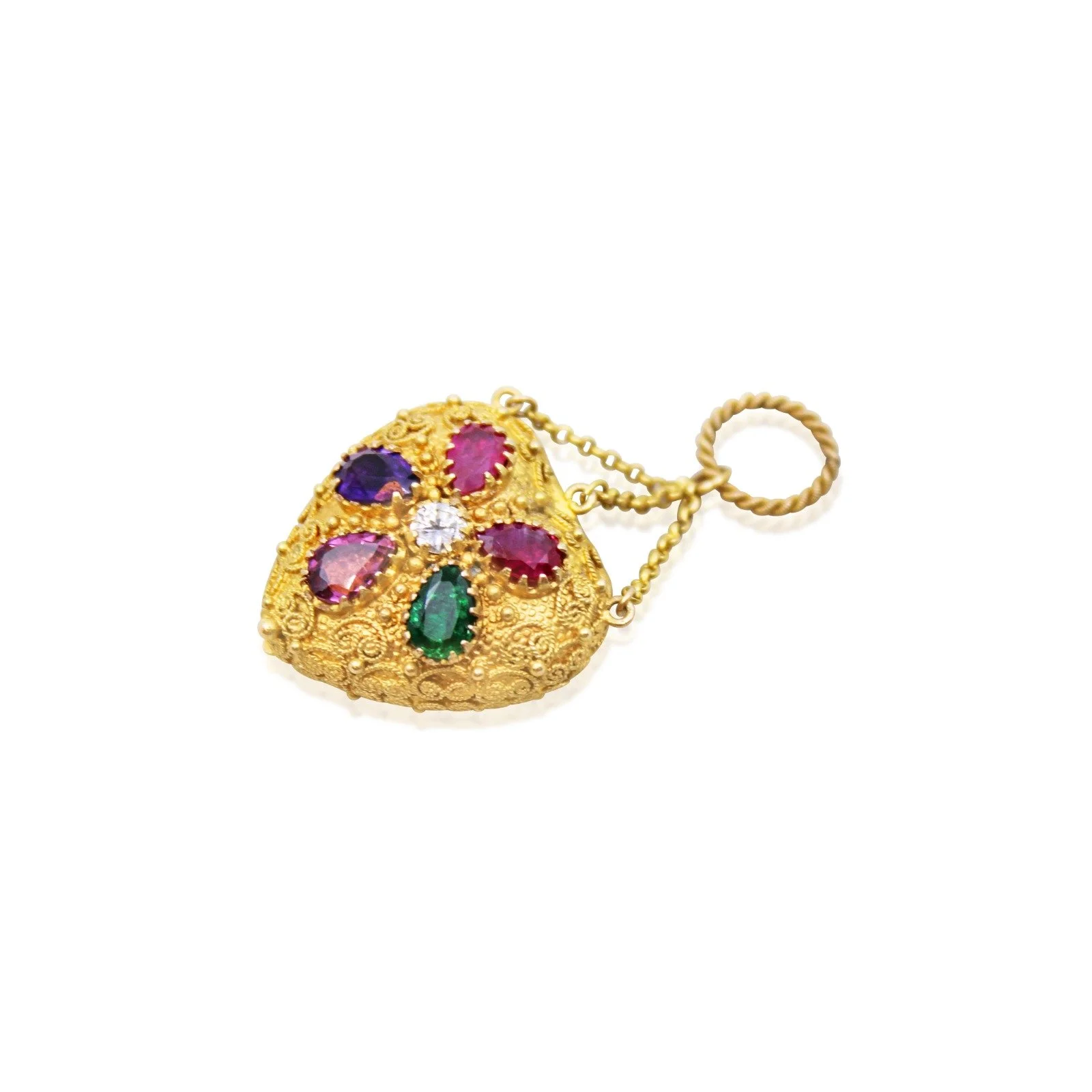 Image 1 of 7
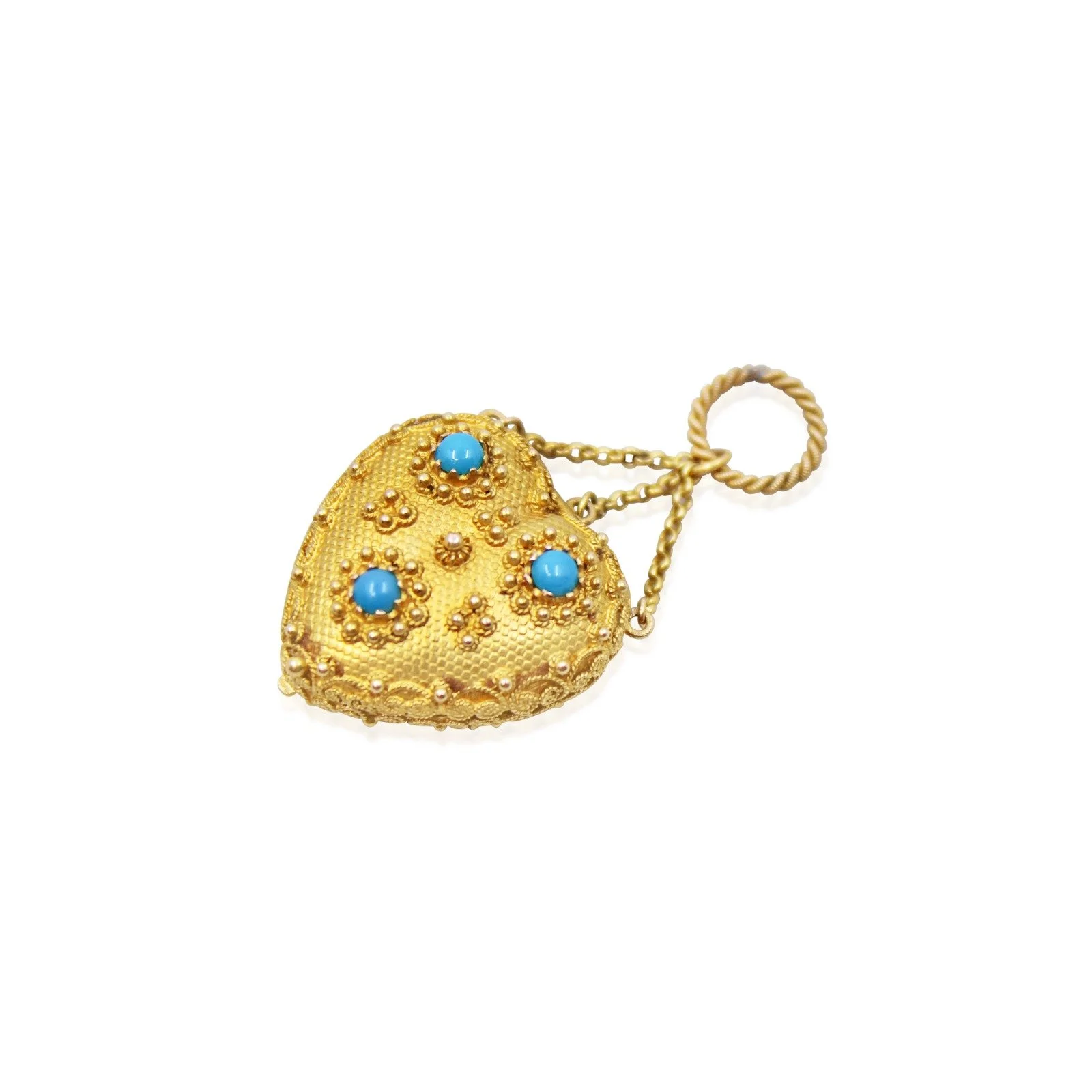 Image 2 of 7
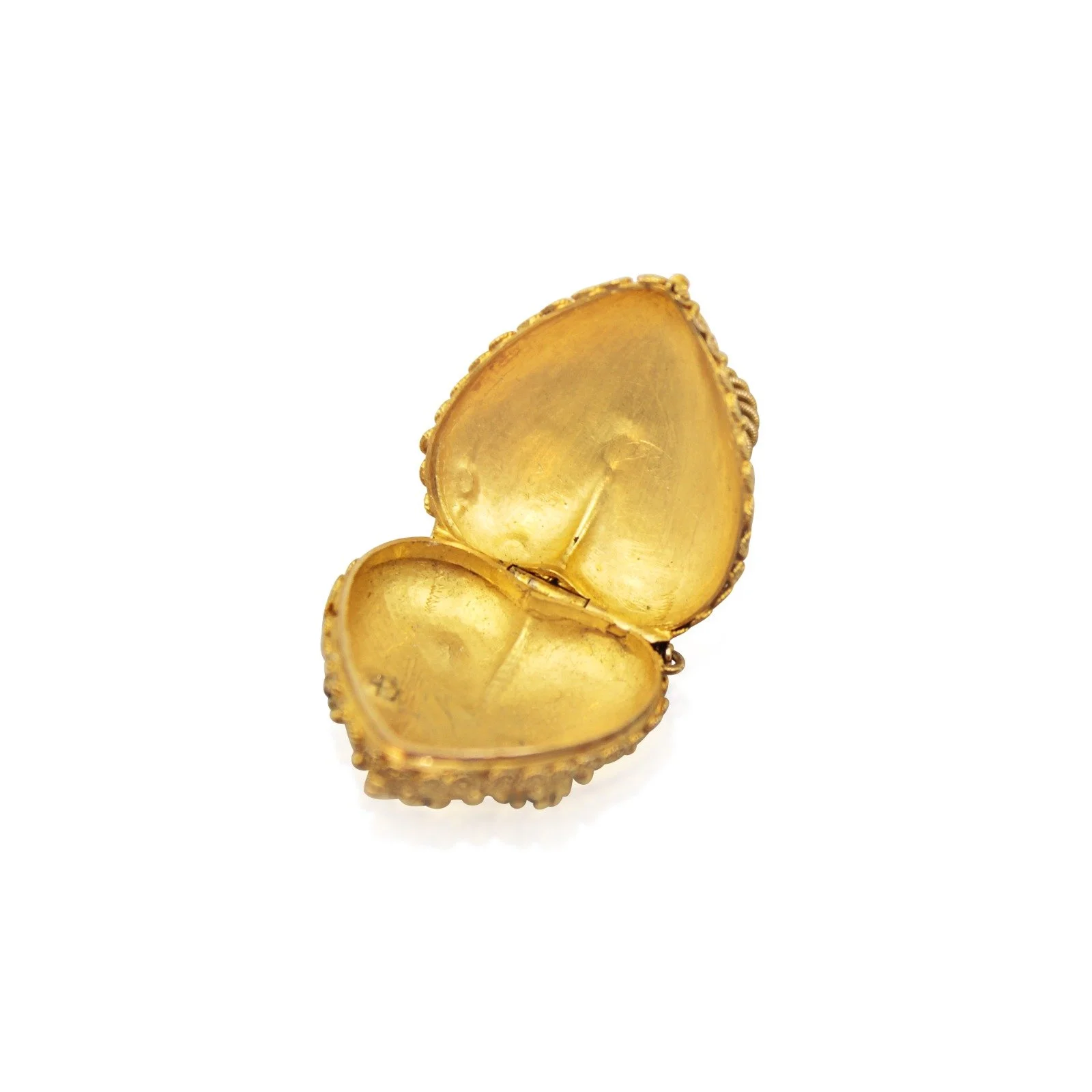 Image 3 of 7
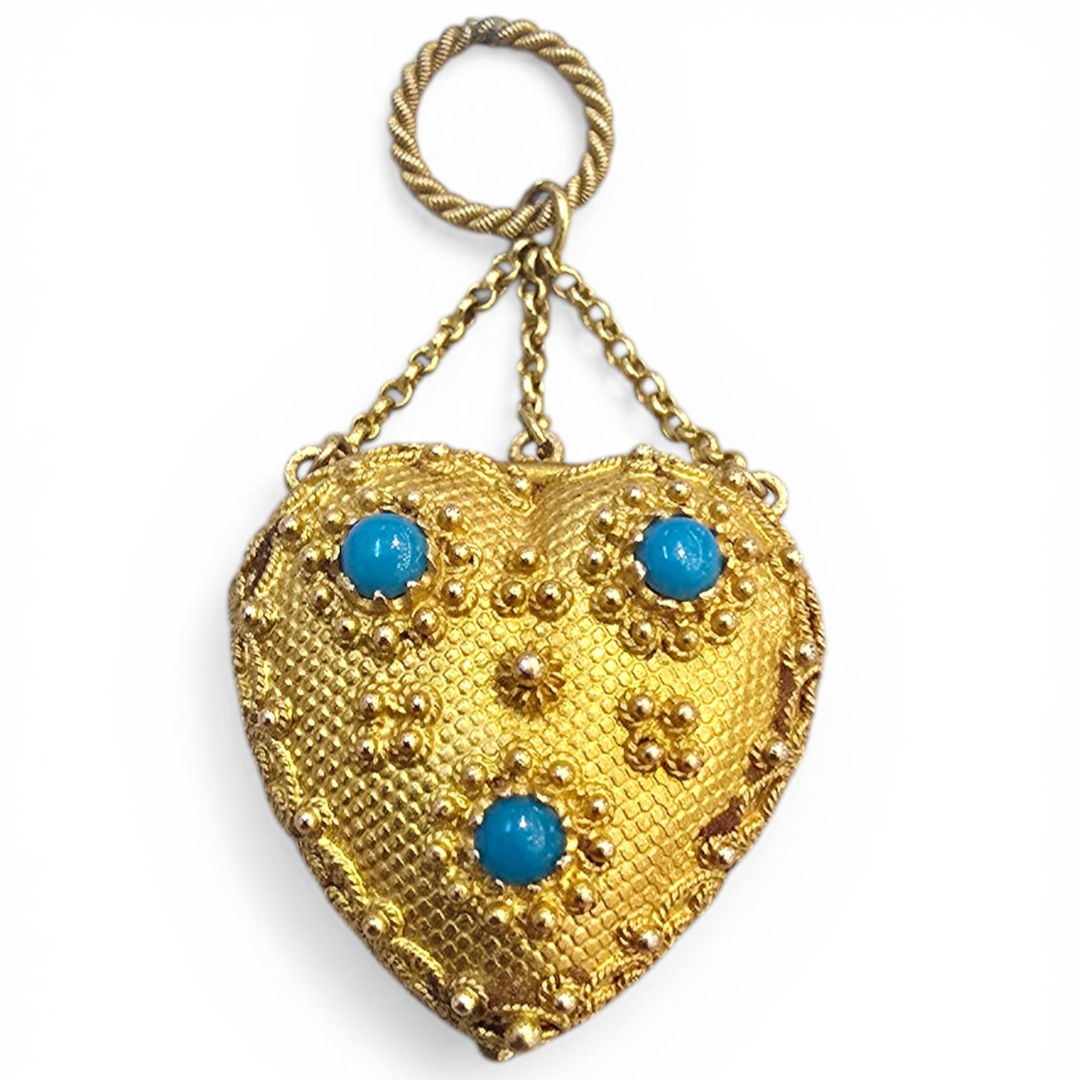 Image 4 of 7
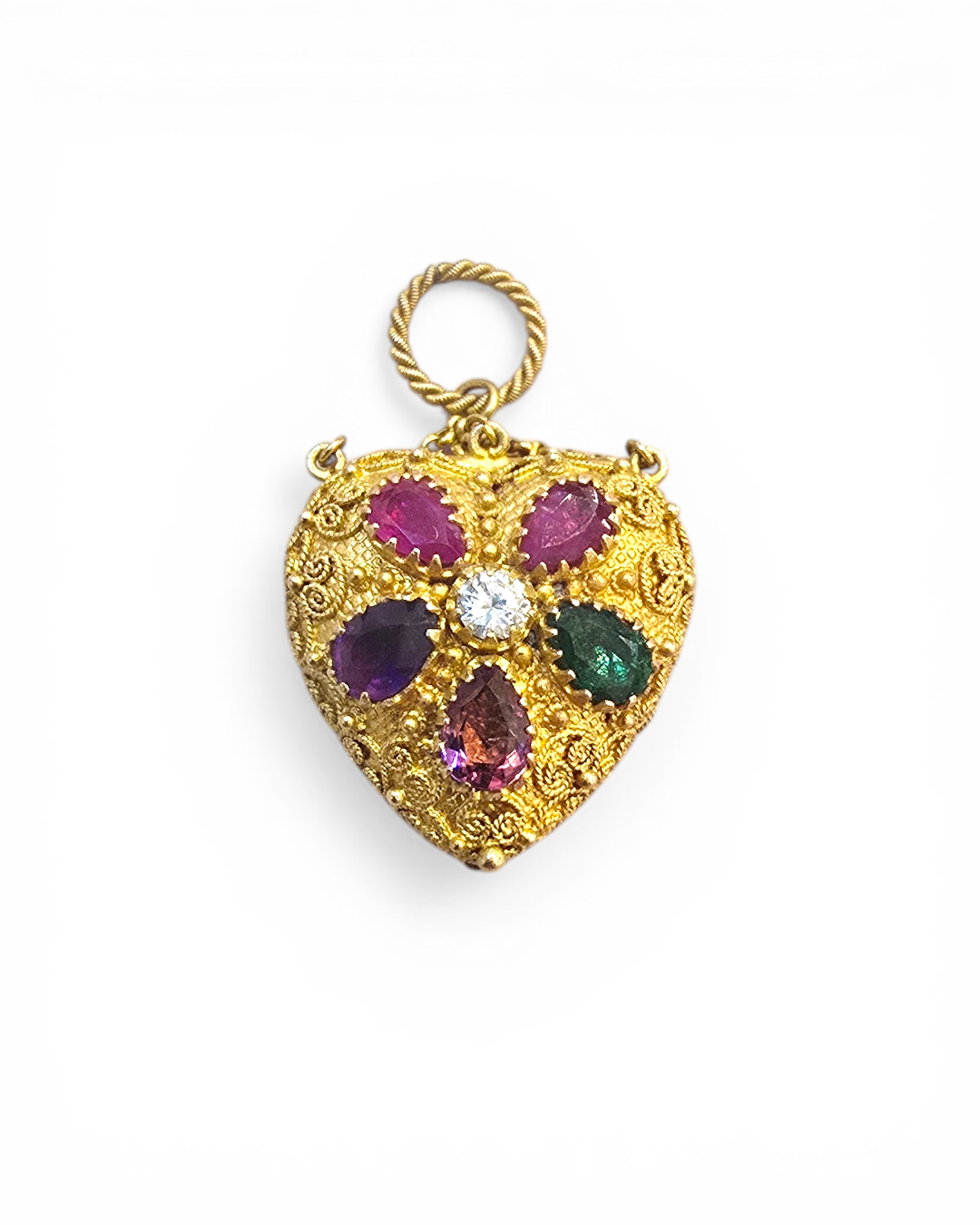 Image 5 of 7
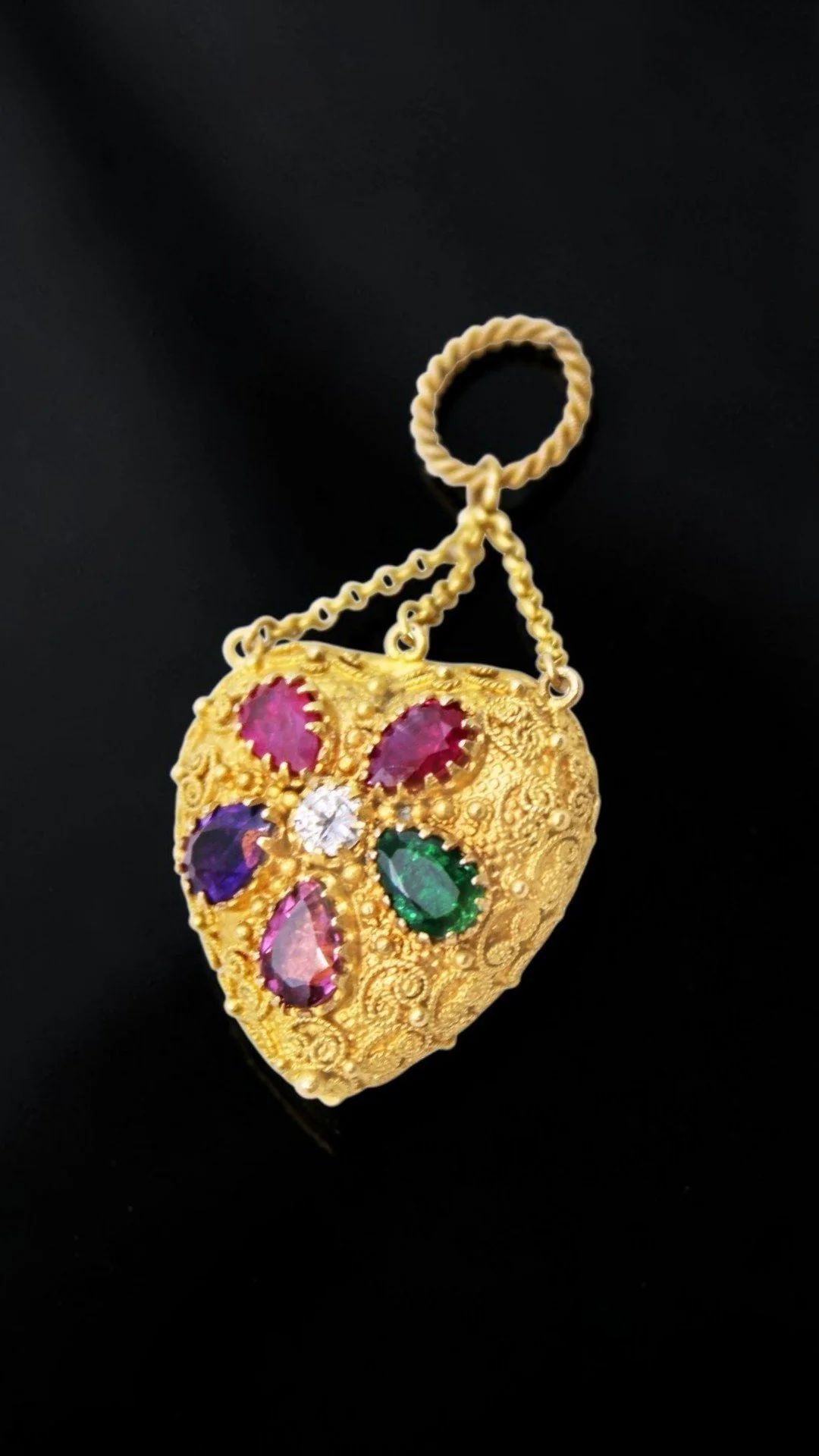 Image 6 of 7
 Image 7 of 7