 Image 1 of 5
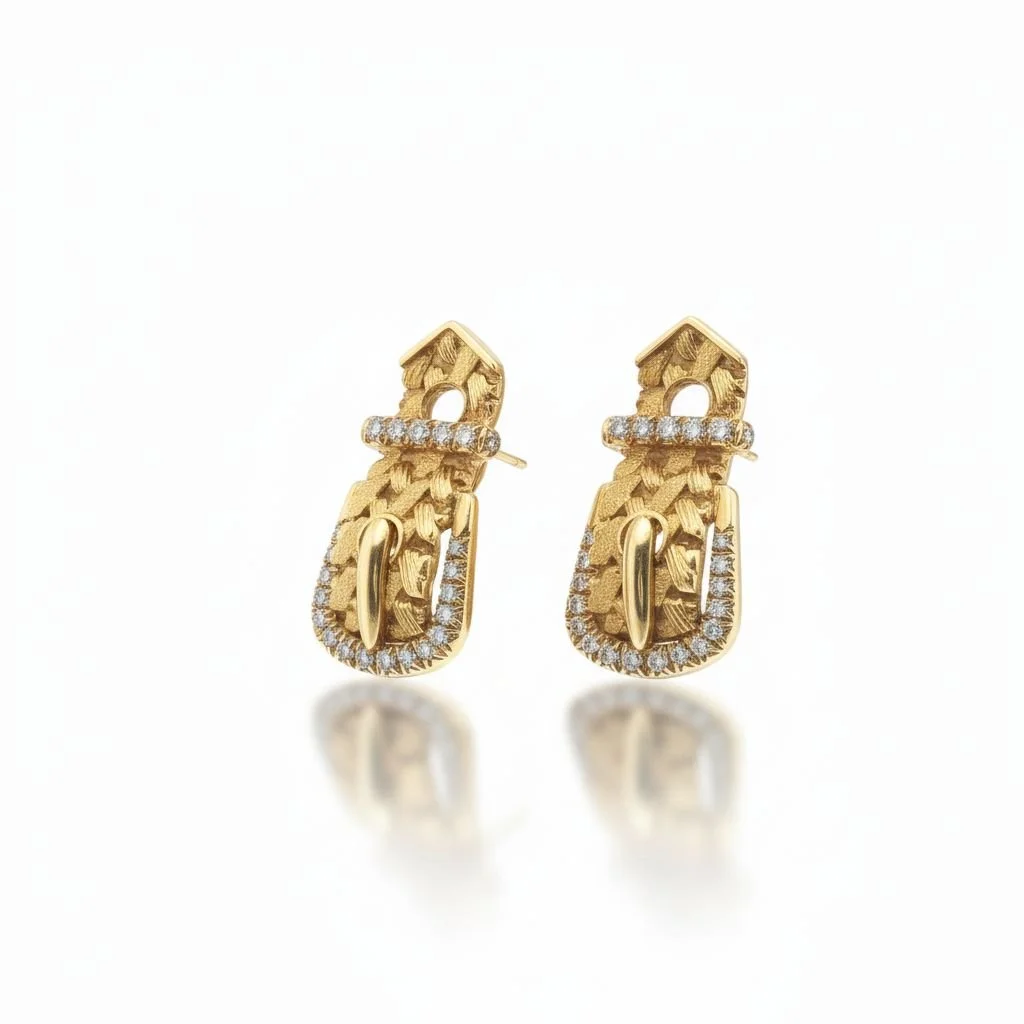 Image 2 of 5
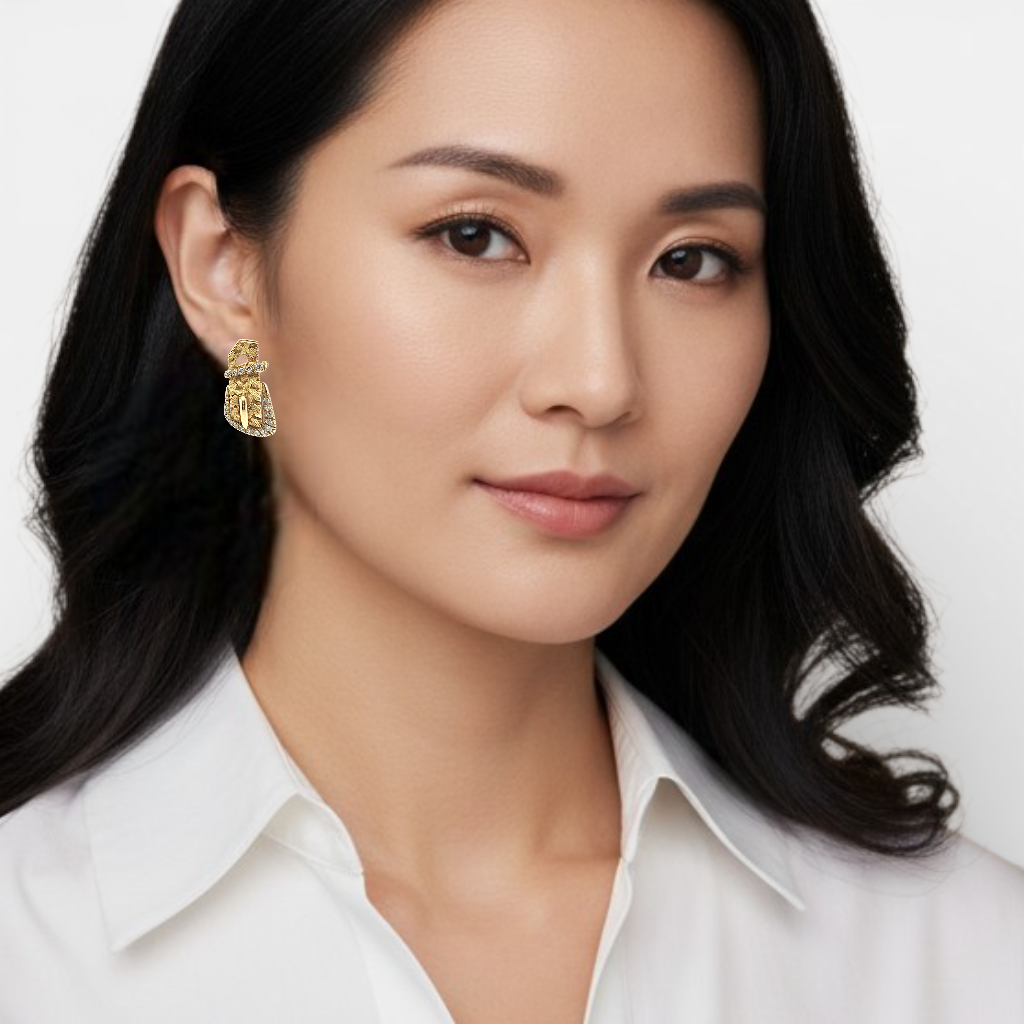 Image 3 of 5
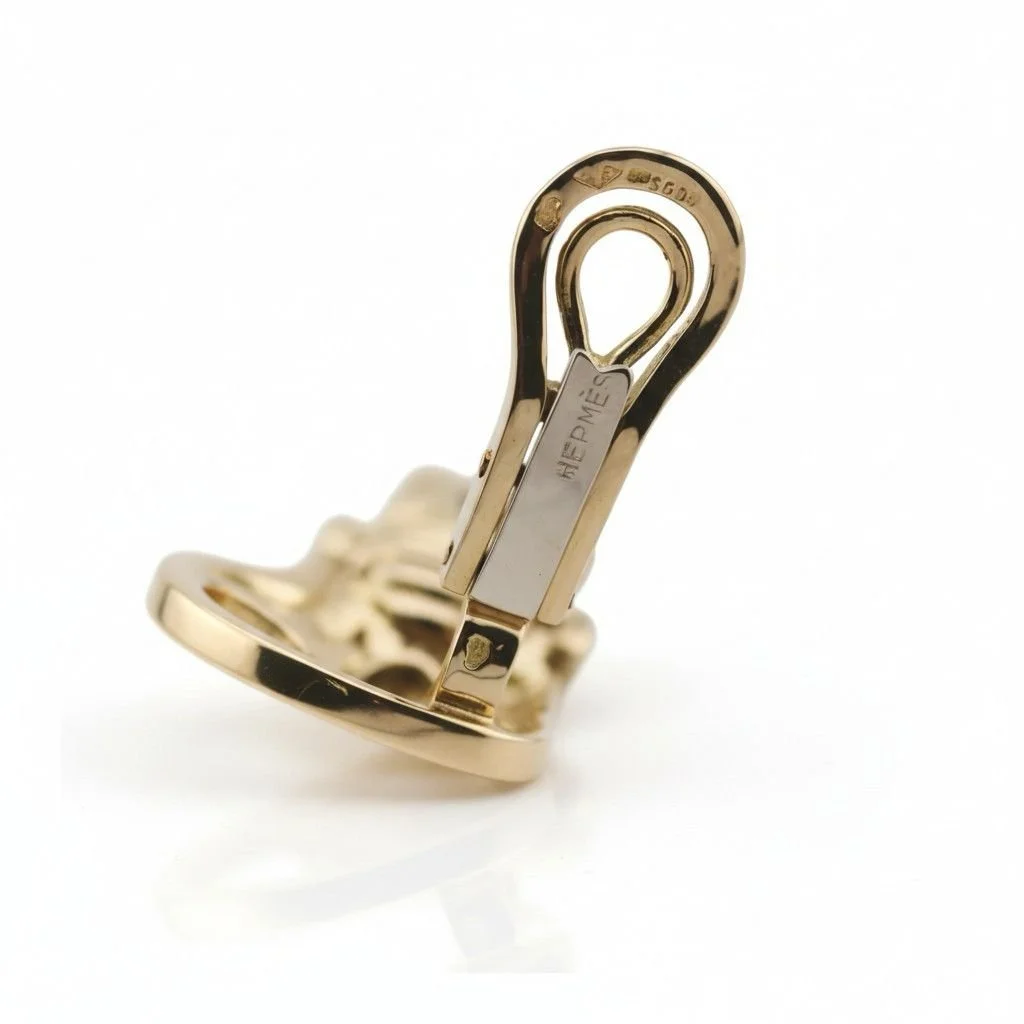 Image 4 of 5
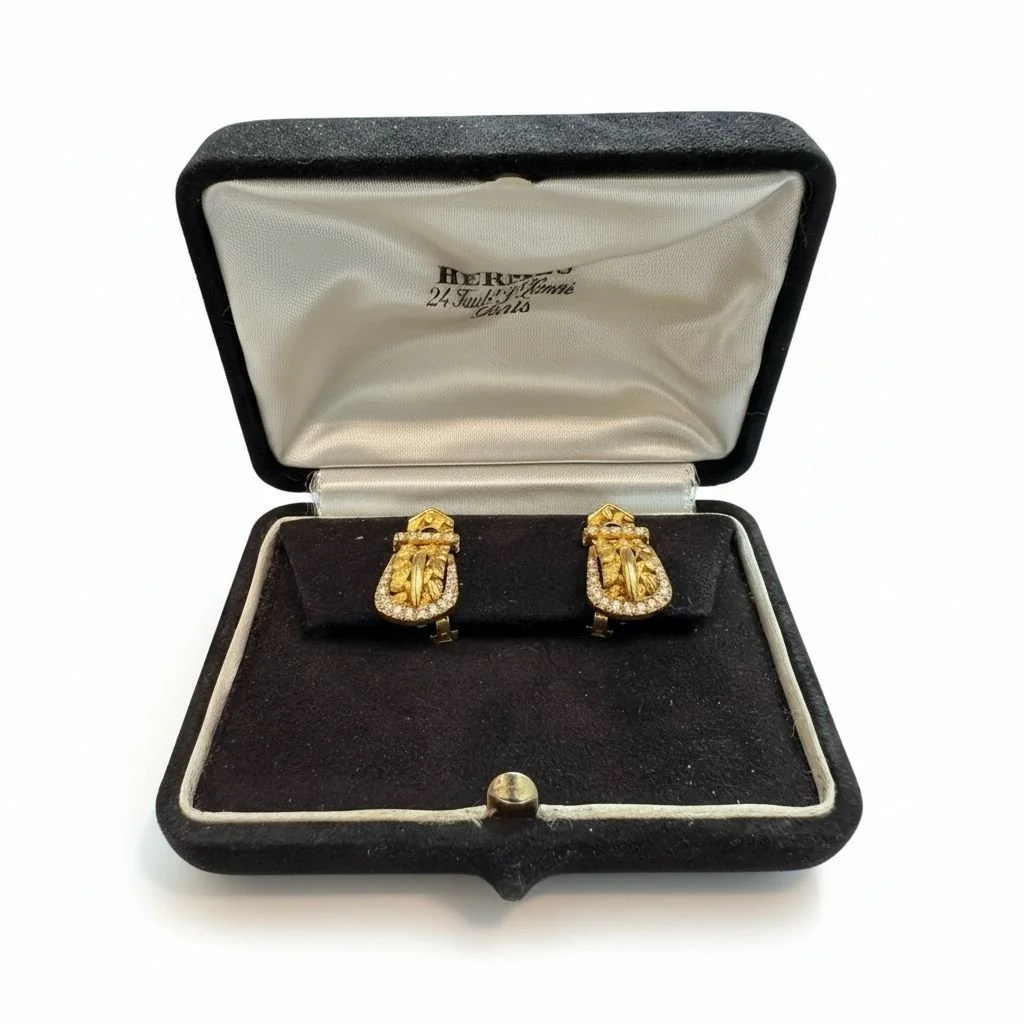 Image 5 of 5
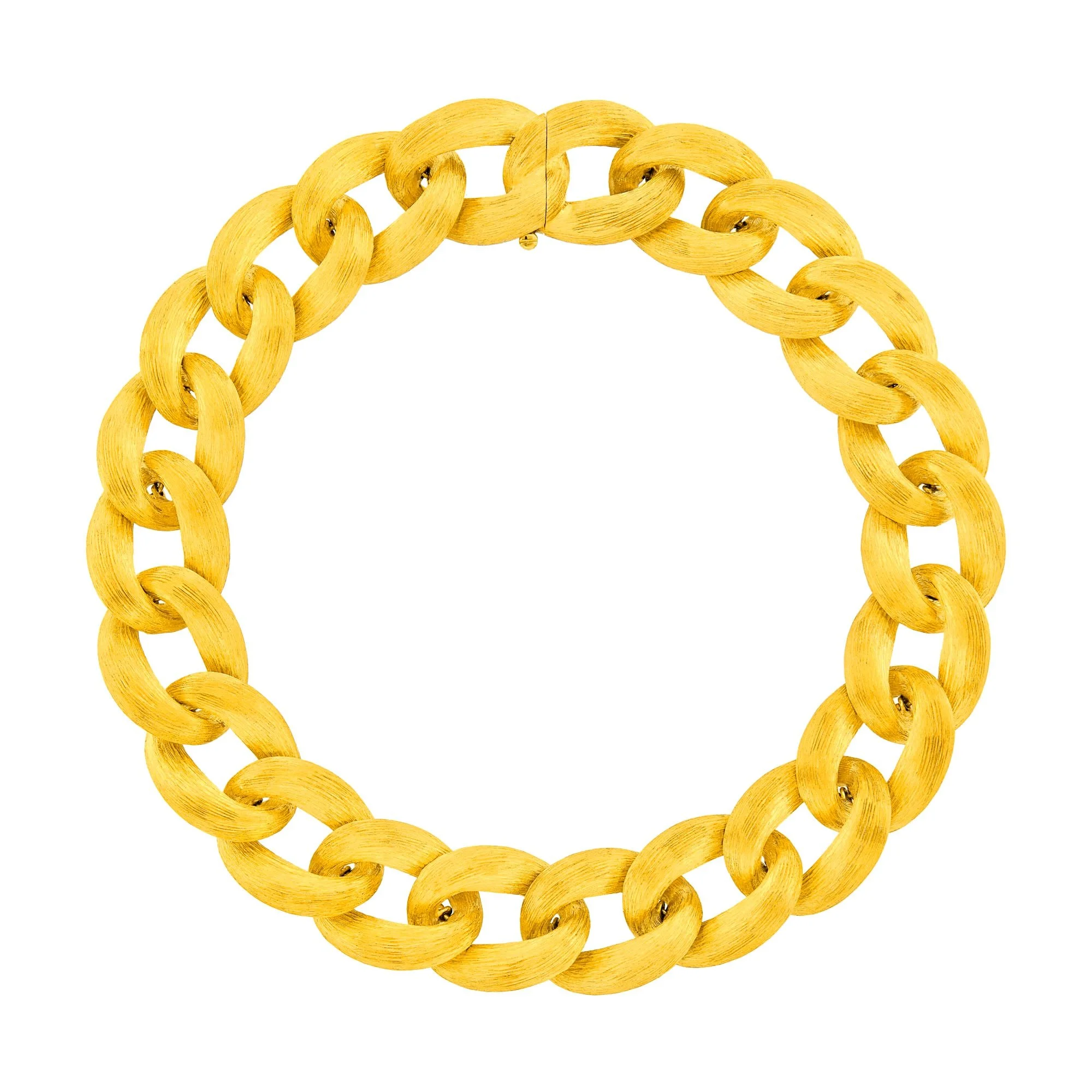
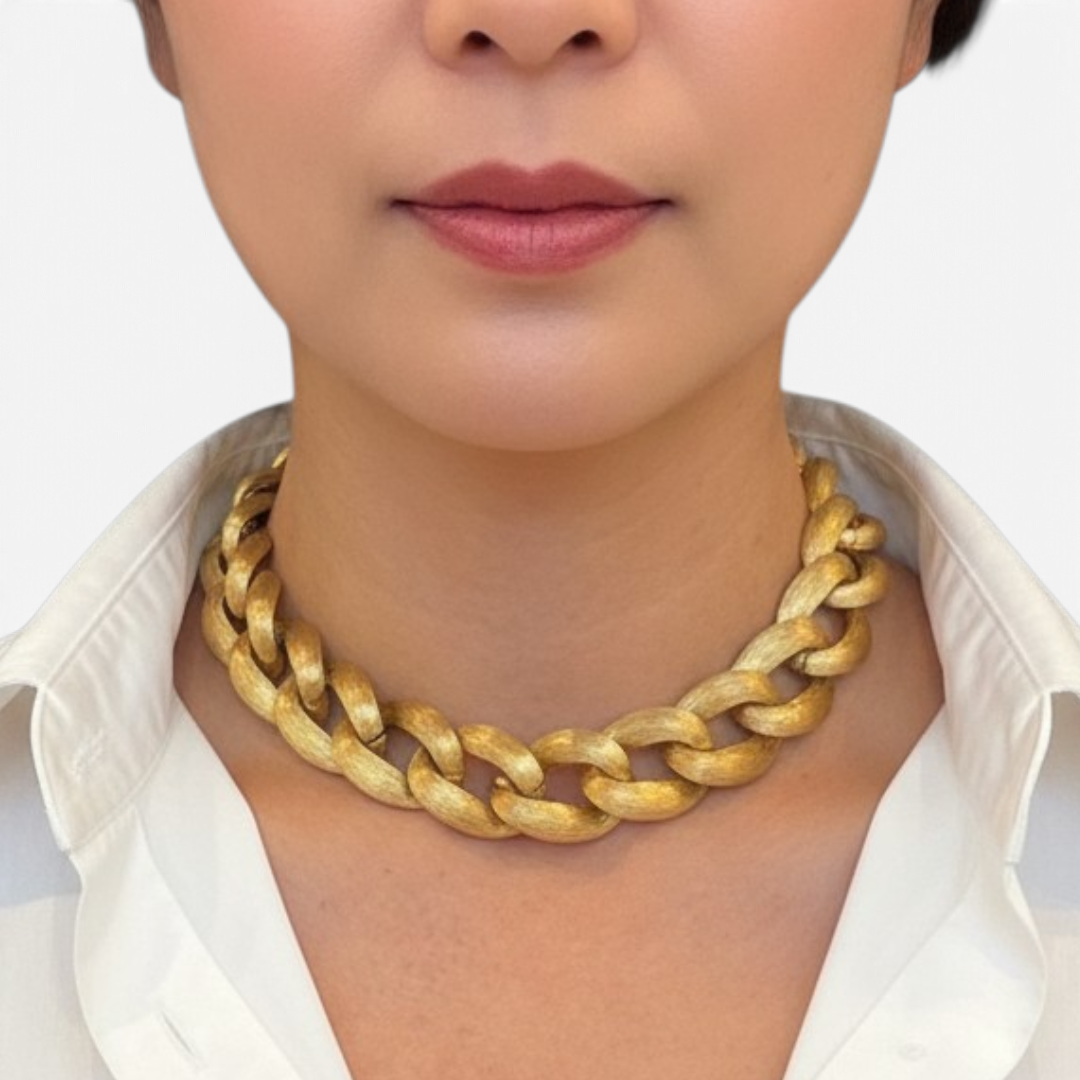
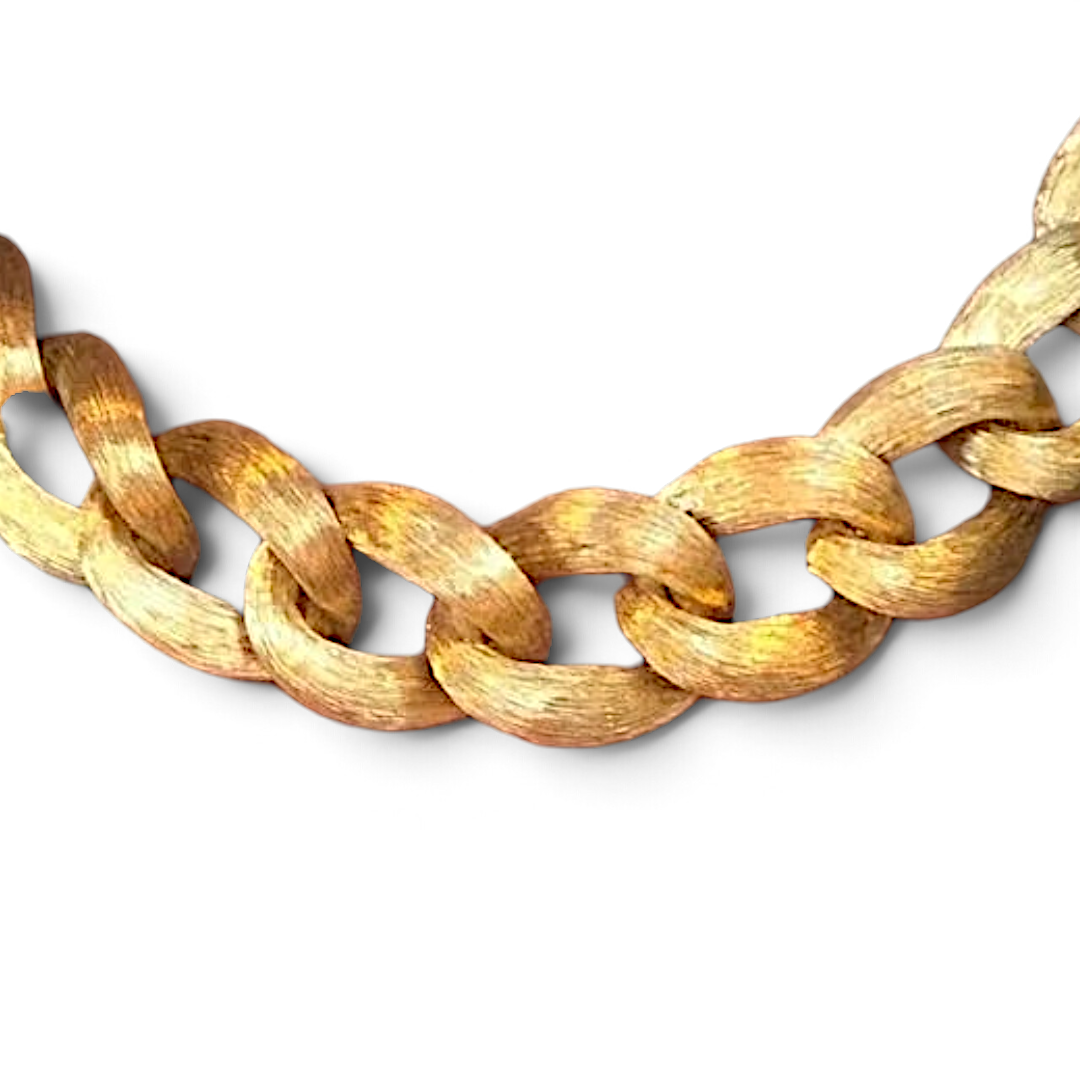
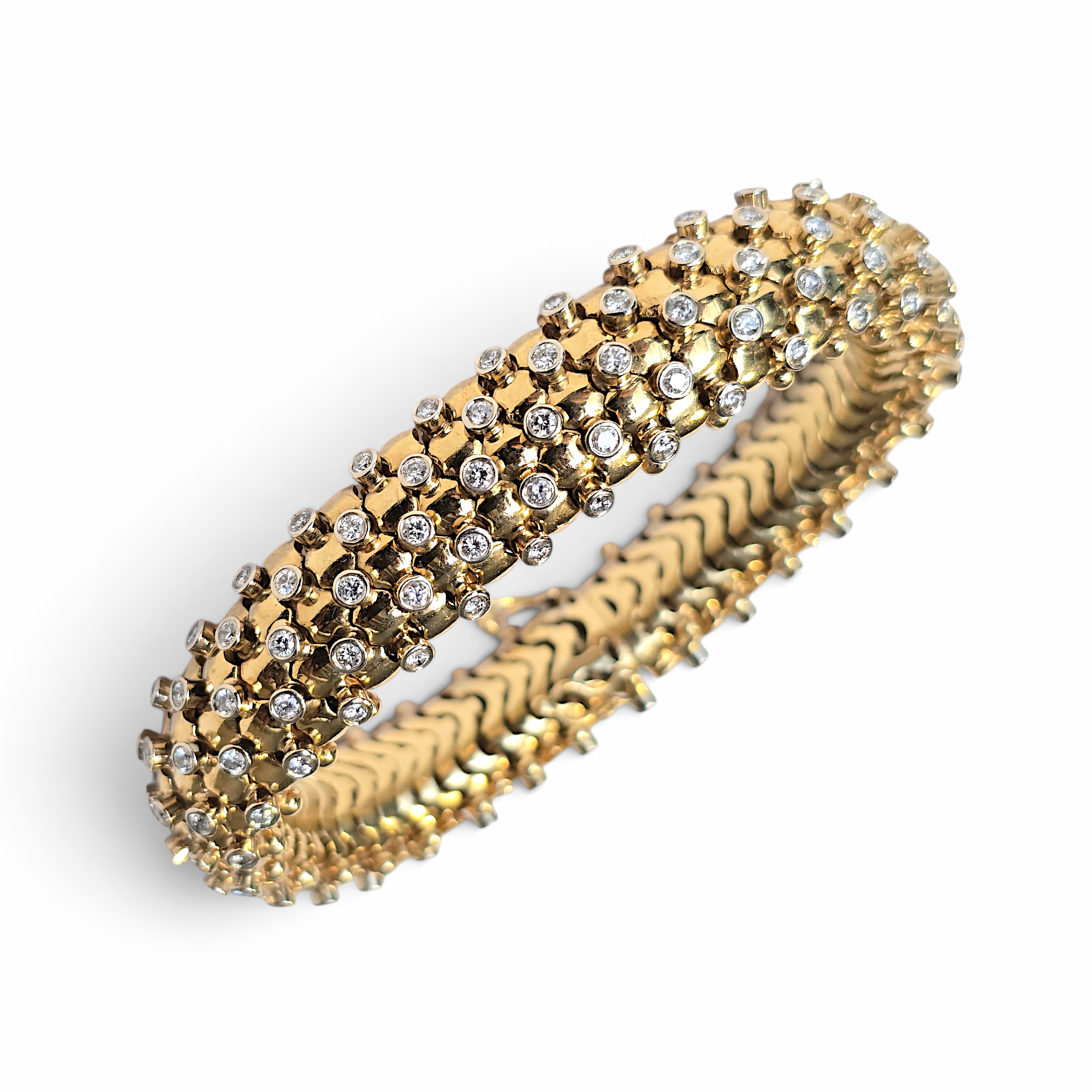
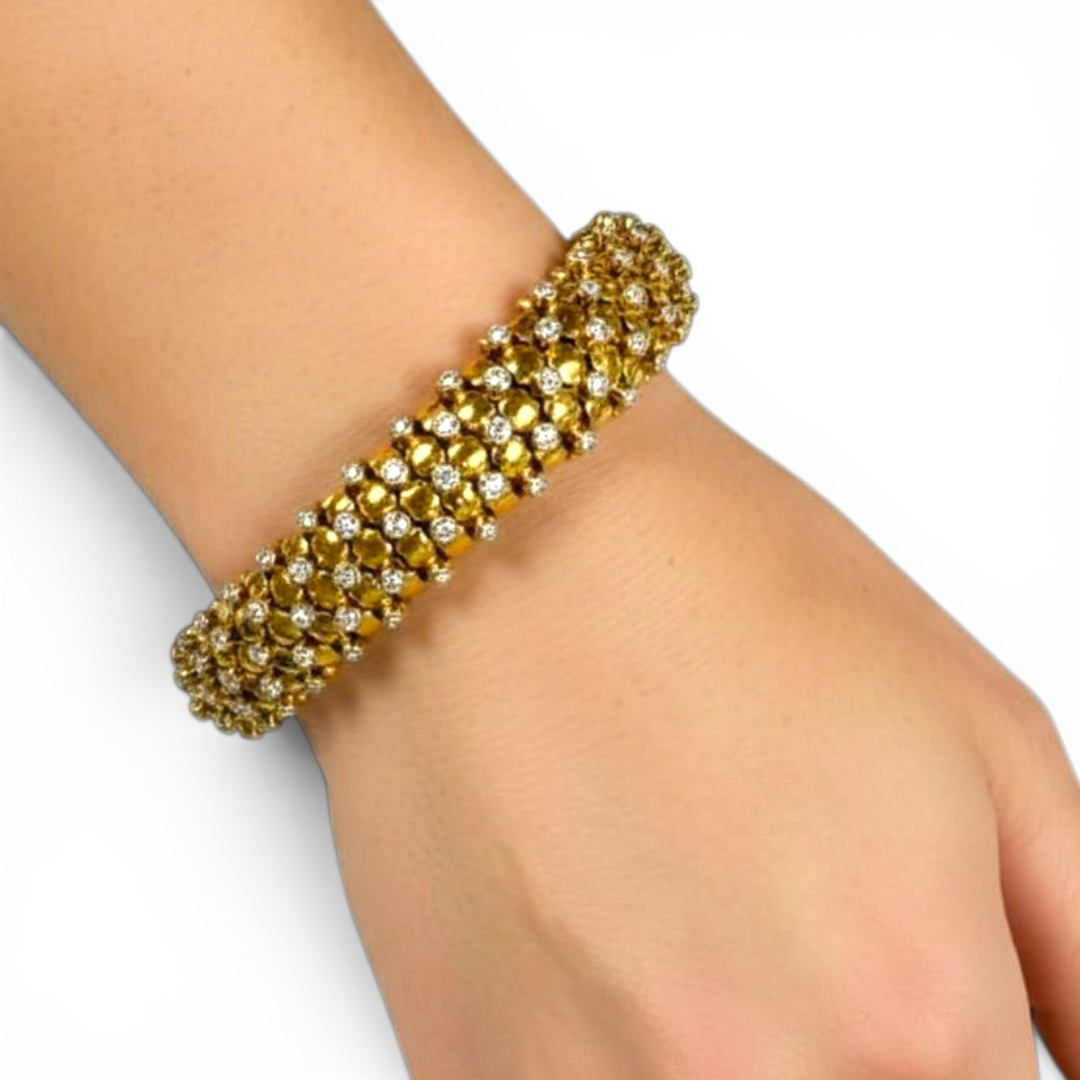
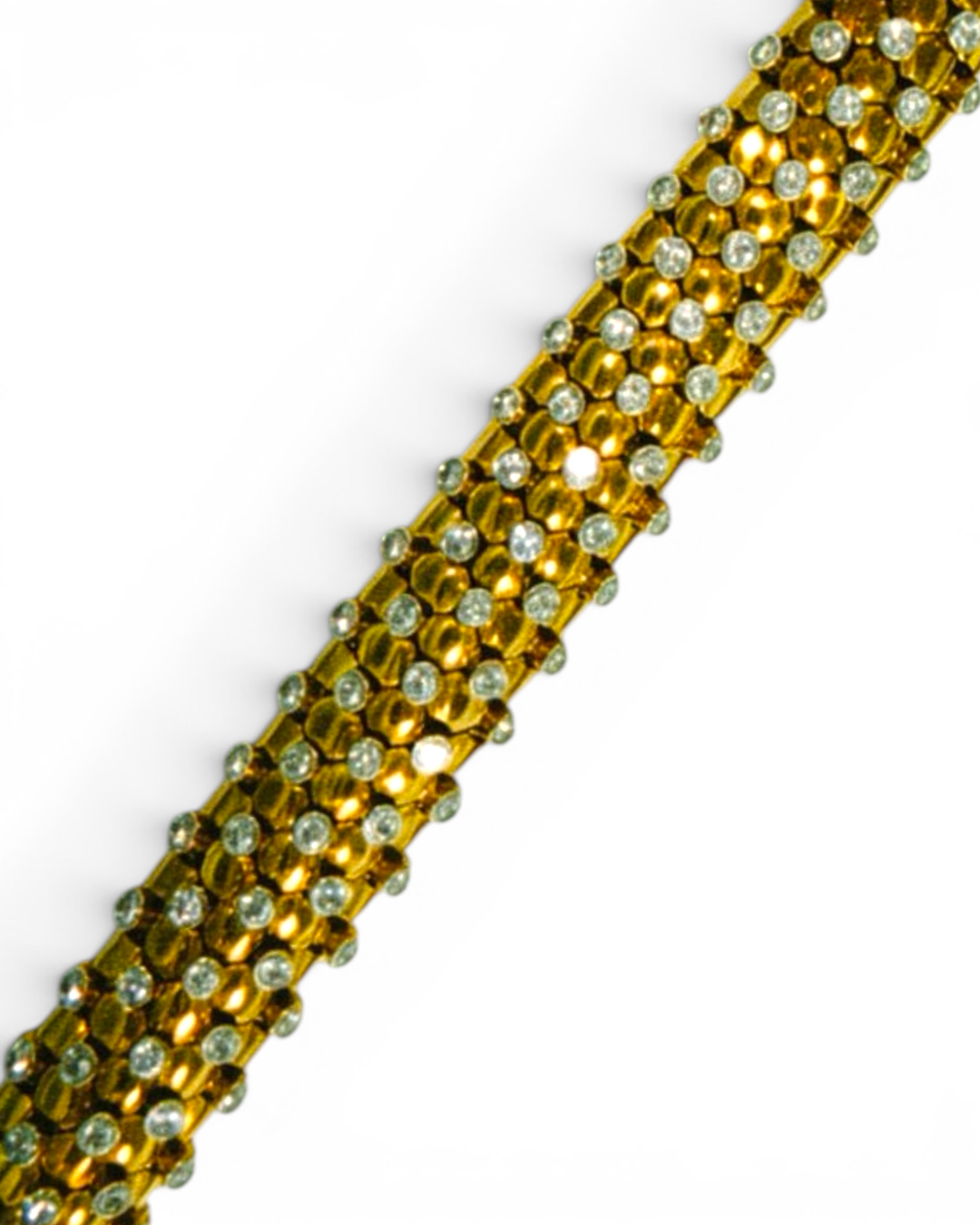
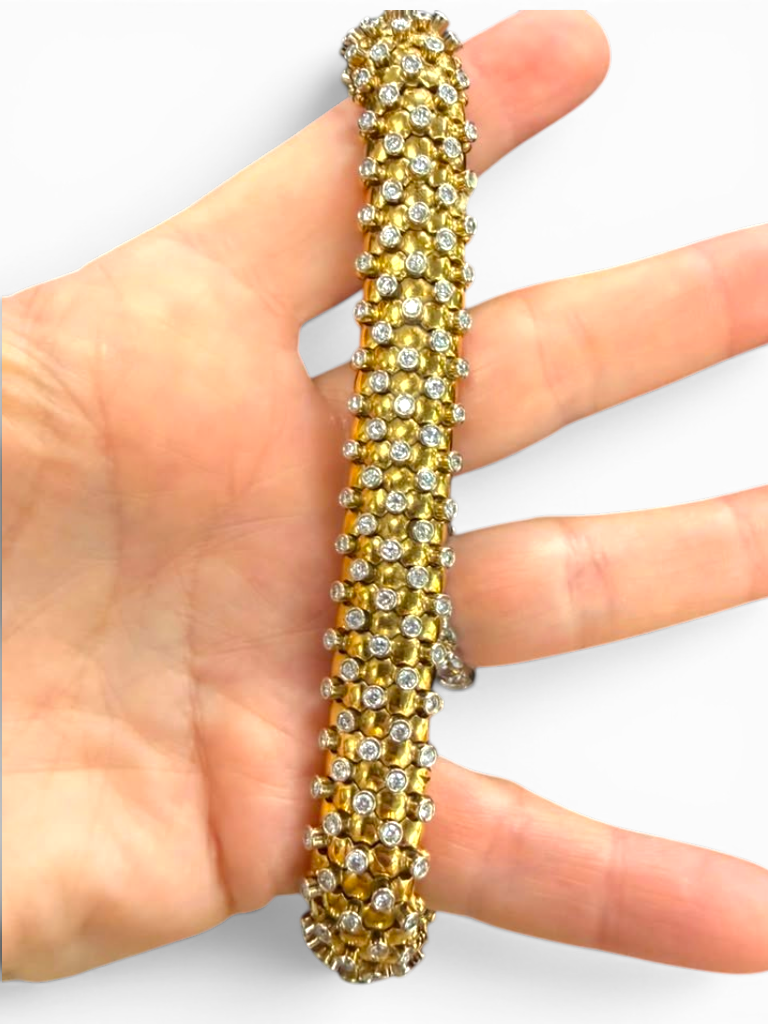
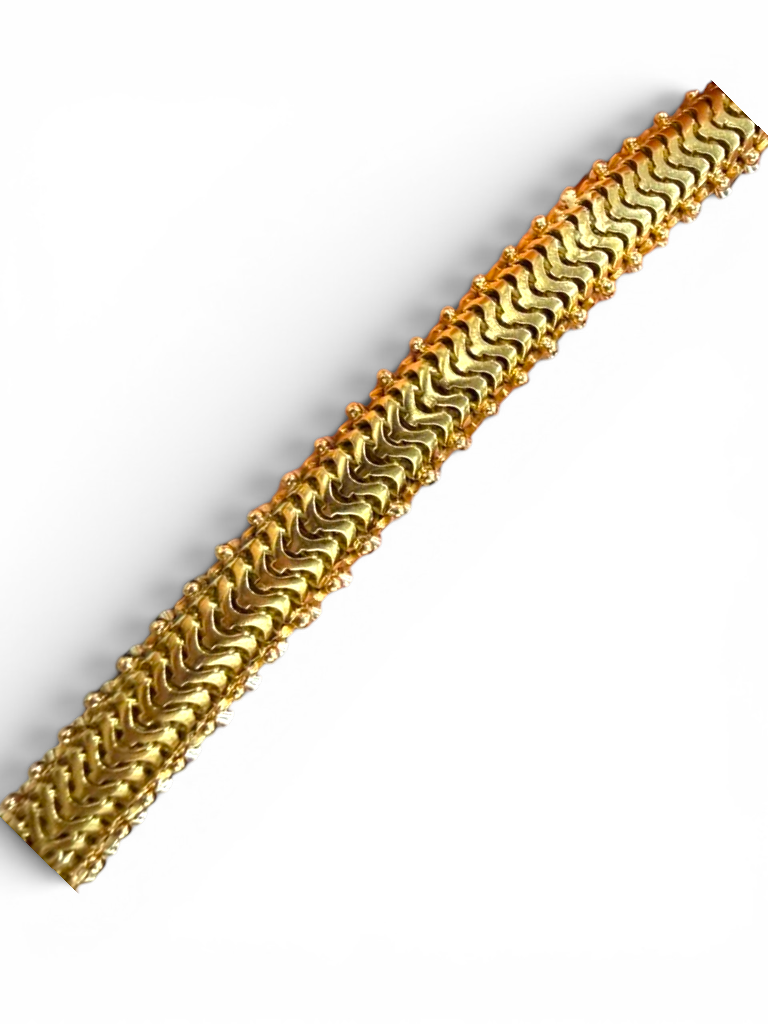
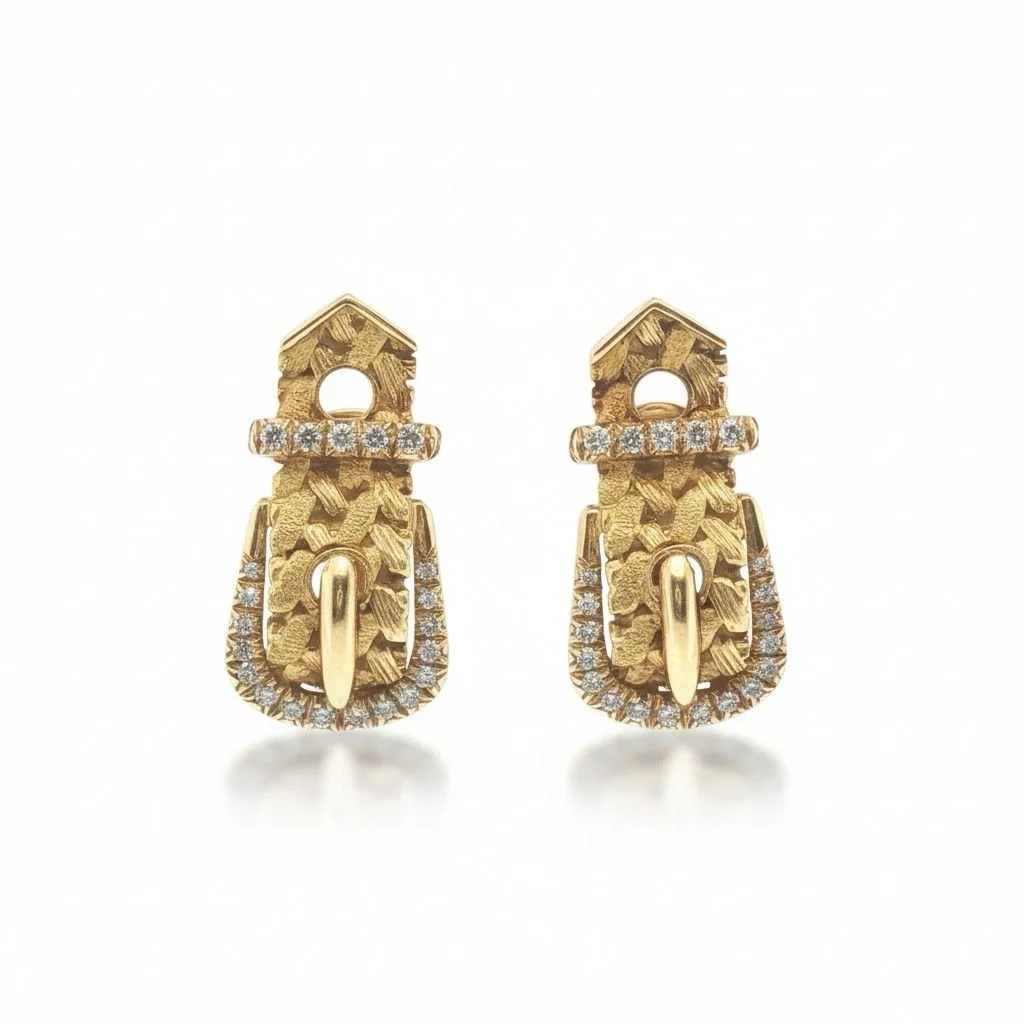
Designed as buckles in 18kt textured gold and set with 42 round brilliant cut diamonds circa 0.7 cts. Clip mechanisms, signed, with French and makers' marks. In their original Hermes Paris Box. 18.2 GR
Hermès occupies a distinctive place in the world of luxury jewellery. While the Maison is best known for leather goods, scarves and ready-to-wear, its jewellery collections reflect the same rigorous design ethos: impeccable craftsmanship, refined materials and an emphasis on timeless motifs. Key points to know:
Heritage and design language: Hermès jewellery often draws on the brand’s equestrian and travel origins. Motifs such as stirrups, buckles, bridles, ropes and saddlery hardware recur, translated into refined, wearable forms. The aesthetic balances restraint with distinctive details rather than overt logos.
Materials and craft: Pieces are crafted in precious metals (yellow, rose and white gold, vermeil), sterling silver and, in higher jewellery, platinum, often set with diamonds, coloured gemstones and enamel. Hermès places strong emphasis on finishing, hand-engraving and artisanal techniques—reflecting its broader savoir-faire. Fine jewellery Collections include diamond and gem-set rings, necklaces and high-jewellery creations, often themed and produced in limited runs or bespoke pieces.
Collectability and market position: Hermès jewellery sits between fashion-luxury jewellery and high jewellery. Signature icons (e.g., Clic H bracelet variants) retain desirability and, in some cases, strong resale value due to brand recognition, craftsmanship and limited availability. High-jewellery and bespoke Hermès pieces are of particular interest to collectors for their uniqueness and artisanal quality.
Styling and versatility: Hermès pieces are designed for everyday elegance as well as special occasions. The brand’s restrained yet recognizable motifs make the jewellery versatile for layering and mixing with other fine pieces.
Authentication and buying advice: Because Hermès logos and motifs are widely copied, buy from authorised Hermès boutiques, reputable dealers or auction houses. Examine hallmarks, serial numbers, enamel quality, hinge construction (for bangles) and overall finish. For higher-value pieces, request provenance, original packaging and, when possible, independent condition reports or gemological certificates.
Conserving Hermès jewellery: Store pieces separately to avoid scratches, keep enamel away from harsh chemicals, clean gently with appropriate cloths, and service mechanical clasps or watch movements through Hermès or qualified specialists.
Designed as buckles in 18kt textured gold and set with 42 round brilliant cut diamonds circa 0.7 cts. Clip mechanisms, signed, with French and makers' marks. In their original Hermes Paris Box. 18.2 GR
Hermès occupies a distinctive place in the world of luxury jewellery. While the Maison is best known for leather goods, scarves and ready-to-wear, its jewellery collections reflect the same rigorous design ethos: impeccable craftsmanship, refined materials and an emphasis on timeless motifs. Key points to know:
Heritage and design language: Hermès jewellery often draws on the brand’s equestrian and travel origins. Motifs such as stirrups, buckles, bridles, ropes and saddlery hardware recur, translated into refined, wearable forms. The aesthetic balances restraint with distinctive details rather than overt logos.
Materials and craft: Pieces are crafted in precious metals (yellow, rose and white gold, vermeil), sterling silver and, in higher jewellery, platinum, often set with diamonds, coloured gemstones and enamel. Hermès places strong emphasis on finishing, hand-engraving and artisanal techniques—reflecting its broader savoir-faire. Fine jewellery Collections include diamond and gem-set rings, necklaces and high-jewellery creations, often themed and produced in limited runs or bespoke pieces.
Collectability and market position: Hermès jewellery sits between fashion-luxury jewellery and high jewellery. Signature icons (e.g., Clic H bracelet variants) retain desirability and, in some cases, strong resale value due to brand recognition, craftsmanship and limited availability. High-jewellery and bespoke Hermès pieces are of particular interest to collectors for their uniqueness and artisanal quality.
Styling and versatility: Hermès pieces are designed for everyday elegance as well as special occasions. The brand’s restrained yet recognizable motifs make the jewellery versatile for layering and mixing with other fine pieces.
Authentication and buying advice: Because Hermès logos and motifs are widely copied, buy from authorised Hermès boutiques, reputable dealers or auction houses. Examine hallmarks, serial numbers, enamel quality, hinge construction (for bangles) and overall finish. For higher-value pieces, request provenance, original packaging and, when possible, independent condition reports or gemological certificates.
Conserving Hermès jewellery: Store pieces separately to avoid scratches, keep enamel away from harsh chemicals, clean gently with appropriate cloths, and service mechanical clasps or watch movements through Hermès or qualified specialists.